

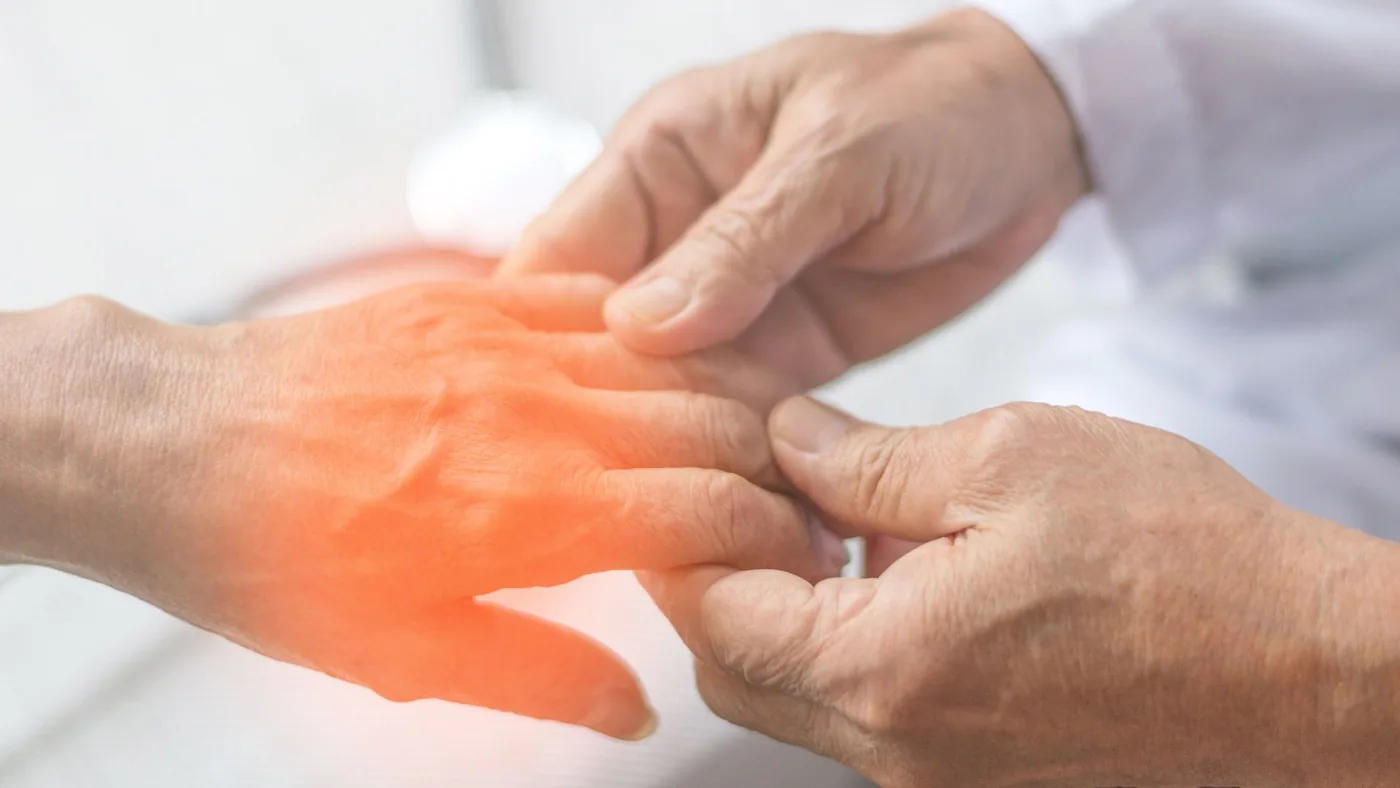
If you have diabetes, check your feet daily and ask your healthcare team which changes need prompt attention. Reduced sensation can make an injury less noticeable, so the absence of pain is not a reliable way to decide that your feet are fine. A daily check complements professional care; it does not diagnose neuropathy or replace an examination.
For people in Gaffney managing diabetes and nerve symptoms, it helps to separate two questions: “What can I notice at home?” and “What needs a healthcare professional?” This guide focuses on that distinction, not on a treatment for nerve damage.
Why look when your feet do not hurt?
The National Institute of Diabetes and Digestive and Kidney Diseases explains that diabetes can damage nerves and reduce feeling in the feet. Diabetes can also affect blood flow. These changes can make unnoticed injuries and healing problems more concerning.
That is why looking at your feet is different from checking how painful they feel. Discuss your own risks with the clinician managing your diabetes. Someone who has already had a wound, loss of feeling or other foot problem may need a different plan from someone without those concerns.
Make the check practical for your circumstances
Choose a time that fits an existing routine, such as when removing your shoes. The CDC’s diabetes foot-care guidance recommends checking for changes including cuts, redness, swelling, sores, blisters, corns and calluses. Include the bottoms of the feet and spaces between the toes.
If seeing your feet is difficult, ask about using a mirror or getting help from someone you trust. Do not balance awkwardly or risk a fall to complete a check. Ask your healthcare team to demonstrate an approach you can manage safely.
You do not need to interpret every mark yourself. Note anything new or different and ask the appropriate professional what it means. Avoid using internet pictures to decide that a sore is harmless.
Know who to call before a problem appears
Ask your diabetes care team where to seek help for a new blister, wound, swelling or skin change. Save the number and clarify what to do outside office hours. Having that plan is more useful than discovering later that you left a message with a service that cannot assess an urgent foot problem.
NIDDK advises contacting a healthcare provider right away for concerning changes such as red, warm or painful skin, or a cut, blister or bruise that does not start healing after a few days. Do not wait for a routine neuropathy appointment when a foot problem needs prompt medical attention.
Describe when the change appeared, where it is and whether it has changed. A photograph may be useful if your care team requests one through an appropriate channel, but it is not a substitute for an assessment. Do not post health photographs publicly.
Ask for a personal care plan, not just a checklist
A general article cannot account for your sensation, circulation, vision, mobility or previous wounds. Ask your healthcare team how often professional foot examinations are needed and whether a foot specialist should be involved.
Practical questions include:
- What should I do if I cannot see or reach my feet comfortably?
- Which skin changes should trigger a same-day call?
- Who should advise me about footwear or nail care?
- Does my history change how often I need an examination?
- How should I share a concern when the office is closed?
Do not cut at a callus, try to treat a wound yourself or assume that an advertised nerve treatment covers foot-wound care. Ask about the scope of any service before relying on it.
Keep the rest of your diabetes care connected
If you seek a consultation for tingling or numbness, tell the clinician about your diabetes care, medicines and previous foot problems. Continue care with the professional managing your diabetes; do not change prescribed medicine based on a symptom improvement or a testimonial.
Keep a short list of who is handling each part of your care. That can make follow-up less confusing when more than one professional is involved. Ask how relevant information can be shared, rather than assuming different offices have access to the same records.
Contact Optimal Health Solution in Gaffney
Optimal Health Solution’s diabetic neuropathy page describes the clinic’s nerve-care services. This does not establish that the clinic provides podiatry, wound treatment or emergency care. Its about page provides clinic context.
The clinic is at 712 W Floyd Baker Boulevard, Gaffney, SC 29341. Call (864) 702-3007 or use its contact information page to ask about a routine consultation. For a concerning wound or another urgent medical problem, contact the appropriate healthcare service rather than waiting for a routine callback.
General education only. Follow your own healthcare team’s advice; this article does not diagnose diabetic neuropathy or provide individual wound-care instructions.
Leave a Reply